
Grand Ivy sister sites
The Grand Ivy is a UK-licensed online casino operated by White Hat Gaming Limited under UKGC licence 52894 and MGA dual-authorisation, launched January 1, 2016 with approximately 3,000+ games and a premium black-and-gold aesthetic. The brand sits within the broader White Hat Gaming Limited network of approximately 21 sister brands. Grand Ivy sister sites include Casimba, Dream Vegas, Temple Nile, Slot Planet and Spin Station.
Grand Ivy Sister Sites Comparison Table
The comparison below sets Grand Ivy alongside five confirmed White Hat Gaming Limited sister brands operating under the same UKGC 52894 operator account. The numerical ratings reflect a weighted assessment of licensing transparency (30%), bonus structure clarity (20%), payment infrastructure (20%), public sentiment data availability (15%) and operational track record (15%).
| Brand | Our Rating | Welcome Bonus | Payout Speed (E-Wallets) | Top Feature |
|---|---|---|---|---|
| Grand Ivy | 6.0 / 10 | 100% up to £300 + 25 FS on Starburst (35x WR) | Same-day for e-wallets typical | Premium black-and-gold positioning within White Hat Gaming network |
| Casimba | 7.0 / 10 | 200% up to £500 + 50 FS (35x WR) | Same-day for e-wallets typical | Flagship White Hat Gaming sister with jungle-themed branding |
| Dream Vegas | 6.5 / 10 | 200% up to £7,000 + 50 FS (50x WR) | Same-day for e-wallets typical | Premium-tier White Hat Gaming sister with high bonus ceiling |
| Slot Planet | 6.0 / 10 | 100% up to £222 + 22 FS (35x WR) | Same-day for e-wallets typical | White Hat Gaming sister with planet/space-themed positioning |
| Spin Station | 5.5 / 10 | 100% up to £200 + 50 FS (35x WR) | Same-day for e-wallets typical | White Hat Gaming sister with retro-themed branding |
| Temple Nile | 5.5 / 10 | 200% up to £200 + 25 FS (35x WR) | Same-day for e-wallets typical | White Hat Gaming sister with Egyptian-themed branding |
Rating methodology: Every site listed holds a valid UKGC licence under White Hat Gaming Limited’s operator account 52894. Scores reflect a weighted assessment of licensing transparency (30%), bonus structure clarity (20%), payment infrastructure (20%), public sentiment data availability (15%) and operational track record (15%). Bonuses are subject to change — always verify the latest terms directly on each operator’s website before depositing. Casimba sits highest at 7.0 in this comparison as the flagship White Hat Gaming Limited brand with the broadest mainstream positioning and largest accumulated reviewer documentation across the network. Grand Ivy’s 6.0 rating reflects three structural concerns flagged by independent reviewer sistersite.com: “the lack of banking information,” “the absence of anything that resembles a reward for showing loyalty to the brand,” and the missing VIP scheme — balanced against the brand’s UKGC and MGA dual-licensing and clean UKGC enforcement record under White Hat Gaming Limited verified active on 15 May 2026.
Casimba – Best Grand Ivy Sister Site for Mainstream Casino Players
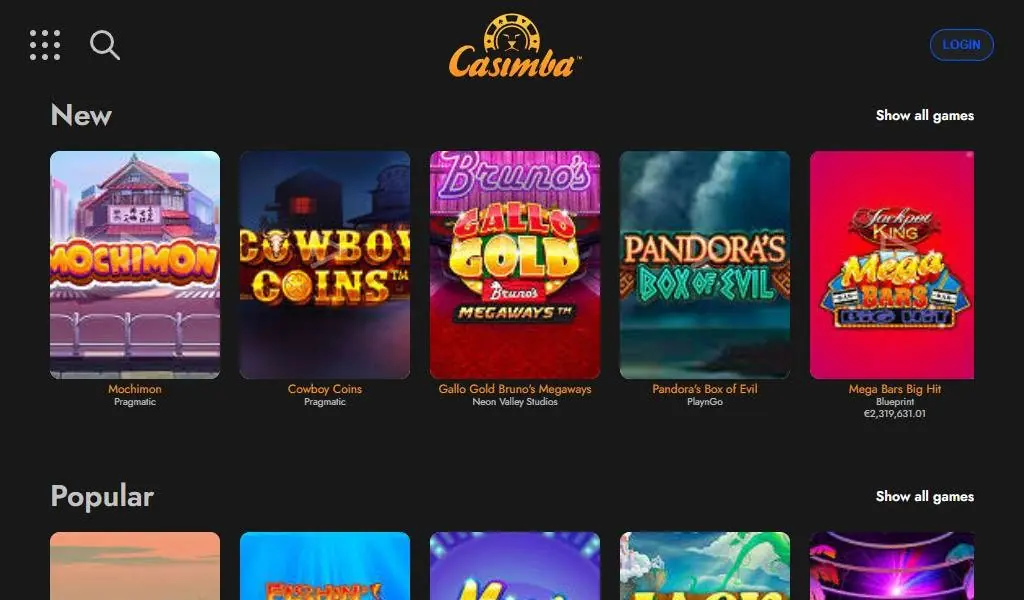
Casimba is the most established mainstream brand within the White Hat Gaming Limited network and the natural Grand Ivy sister site for players who want broader-audience positioning rather than the premium black-and-gold aesthetic that anchors Grand Ivy. Per bestsistersites.co.uk’s documentation, Casimba operates with “jungle drama” branding that contrasts with Grand Ivy’s “classic casino aesthetics” while sharing the underlying White Hat Gaming platform infrastructure that delivers the same 50+ providers, 3,000+ games, payment processors and compliance team across the entire network.
The welcome offer at Casimba delivers 200% match up to £500 plus 50 free spins on first deposit, with 35x wagering applied to bonus funds and £10 minimum qualifying deposit. The bonus headline ceiling exceeds Grand Ivy’s £300 maximum first-deposit match. The bonus terms align with current UKGC requirements including the Social Responsibility Code 5.1.1 wagering cap framework introduced on 19 January 2026 — a single specific UKGC reform separate from the UKGC’s stake-limit and affordability-check changes in the same regulatory cycle. The welcome structure is calibrated for general-purpose casino players rather than the table-game-focused positioning that Grand Ivy targets.
Game library at Casimba covers the standard White Hat Gaming Limited aggregation of approximately 3,000+ titles drawn from 50+ providers — NetEnt, Pragmatic Play, Microgaming, Play’n GO, Elk Studios, Thunderkick, 1×2 Gaming and Evolution Gaming for live casino. The provider mix is functionally identical to Grand Ivy’s catalogue because the underlying aggregation is shared at the White Hat Gaming platform level. The content selection at Casimba differs through brand-positioning emphasis rather than fundamental studio access variations.
What separates Casimba from Grand Ivy at the player-experience level is the mainstream audience-targeting positioning rather than fundamental platform distinction. Both brands operate on identical White Hat Gaming Limited infrastructure with shared cashier flows, KYC chain and customer support framework — the verification, payment pages and account setup processes are documented as functionally identical across White Hat Gaming sister brands. Players evaluating sites like Grand Ivy with a broader mainstream visual identity within the same operator network will find Casimba the natural in-network choice. For UK players considering broader UKGC alternatives outside the White Hat Gaming network with their own established positioning, griffon sister sites documentation covers another UKGC brand that migrated to the White Hat Gaming platform in late 2024 under the same UKGC 52894 framework.
Dream Vegas – Top Site Like Grand Ivy for Premium-Tier Positioning

Dream Vegas is the White Hat Gaming Limited brand that positions itself at the highest end of the network’s promotional ceiling. Per bestsistersites.co.uk’s documentation, Dream Vegas adopts “neon glare” branding distinct from both Grand Ivy’s premium classic positioning and Casimba’s jungle aesthetic. The brand operates under the same White Hat Gaming Limited operator account framework as Grand Ivy with identical platform infrastructure, cashier flows and KYC chain.
The welcome offer at Dream Vegas extends to 200% match up to £7,000 plus 50 free spins on first deposit — the headline ceiling significantly exceeds Grand Ivy’s £300 first-deposit match and represents one of the highest bonus caps in the White Hat Gaming network. The 50x wagering rate is materially heavier than the standard 35x rate that anchors most White Hat Gaming sister welcome packages, reflecting the higher bonus ceiling. The minimum qualifying deposit follows UK market norms at £10.
Game library at Dream Vegas draws from the same White Hat Gaming aggregation that anchors Grand Ivy and the broader network — approximately 3,000+ titles from 50+ providers including NetEnt, Pragmatic Play, Microgaming, Play’n GO and Evolution Gaming for live casino. The catalogue depth is consistent across White Hat Gaming sister brands because the underlying studio aggregation contracts apply at the platform level. The content selection differs through brand-positioning emphasis rather than fundamental studio access.
What separates Dream Vegas from Grand Ivy at the player-experience level is the higher bonus ceiling combined with the heavier wagering rate rather than fundamental product distinction. Players who specifically want the highest possible bonus ceiling within the White Hat Gaming network will find Dream Vegas the natural in-network choice — but should weigh the 50x wagering rate carefully against the 35x rate at Grand Ivy and most peer sisters. For UK players considering broader UKGC alternatives at brands with their own bonus positioning, casushi sister sites operate under separate UKGC licensing with their own welcome offer structure.
Slot Planet – Best Similar Site to Grand Ivy for Themed Slot Focus
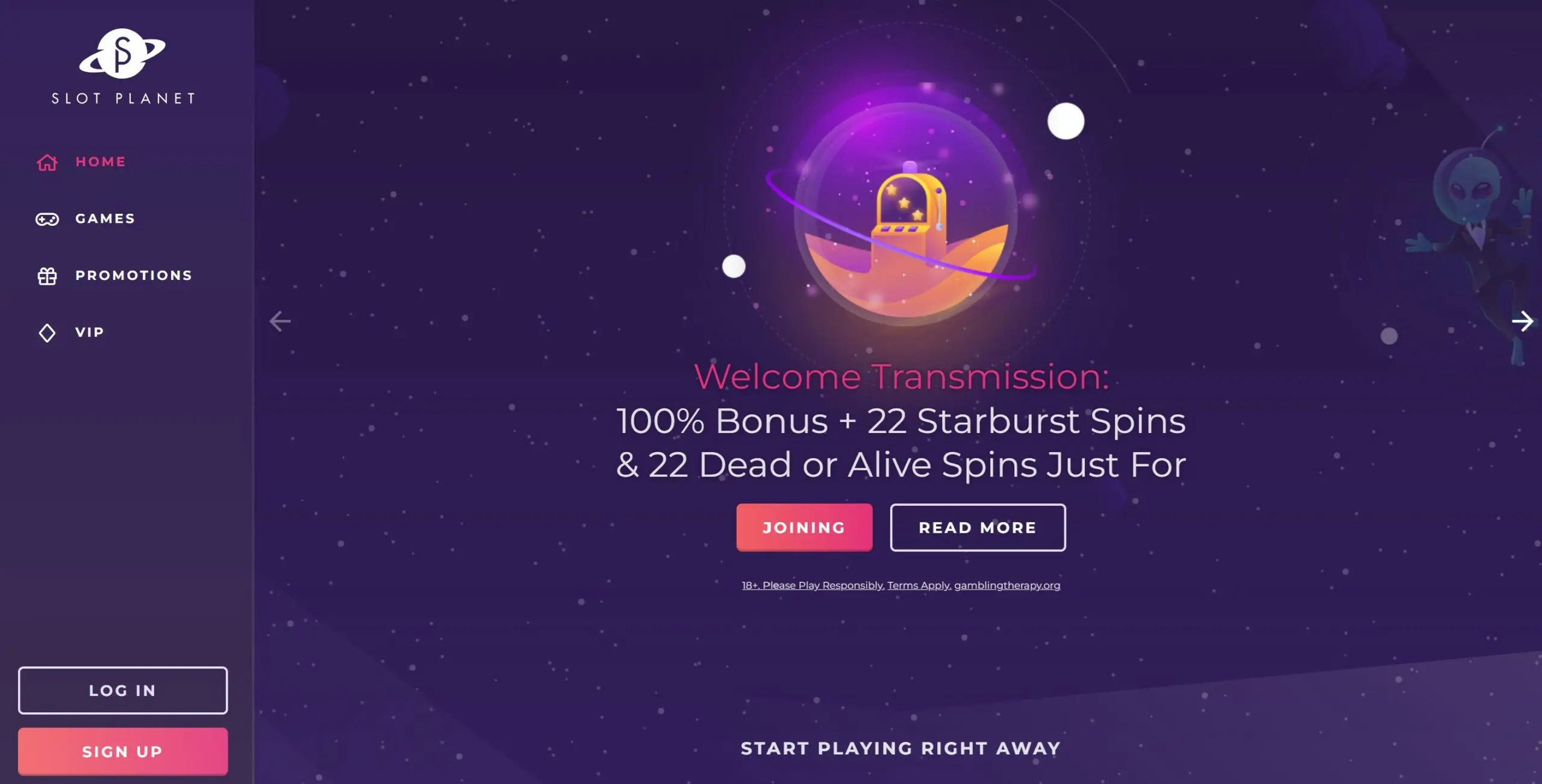
Slot Planet is another White Hat Gaming Limited sister brand that distinguishes itself from Grand Ivy through planet-and-space themed branding while sharing the underlying White Hat Gaming platform infrastructure. The brand operates under the same UKGC 52894 operator account as Grand Ivy with identical cashier flows, KYC chain and customer support framework. Per documented White Hat Gaming network conventions, verification, payment pages and account setup at Slot Planet are functionally identical to Grand Ivy.
The welcome offer at Slot Planet delivers 100% match up to £222 plus 22 free spins on first deposit, with 35x wagering applied to bonus funds and £10 minimum qualifying deposit. The bonus structure is consistent with broader White Hat Gaming platform norms and aligns with current UKGC SR Code 5.1.1 wagering cap framework requirements where applicable. The headline ceiling sits below Grand Ivy’s £300 first-deposit match — Slot Planet’s positioning targets the lower-stakes player segment within the WHG network.
Game library at Slot Planet covers approximately 1,500+ slot and table game titles drawn from the same tier-one UKGC-licensed provider mix that anchors Grand Ivy’s library — Pragmatic Play, NetEnt, Microgaming, Play’n GO, Yggdrasil, Red Tiger Gaming and Evolution Gaming for live casino. The provider overlap is substantial because the underlying game aggregation is shared at the White Hat Gaming platform level. Players moving between sister brands will find familiar provider relationships across the network.
What separates Slot Planet from Grand Ivy at the player-experience level is the planet-and-space thematic branding rather than fundamental product distinction. Players who specifically prefer the visual identity over Grand Ivy’s premium black-and-gold positioning will find Slot Planet the natural in-network choice for that thematic differentiation. For UK players considering broader UKGC alternatives at brands with their own thematic positioning outside the White Hat Gaming network, queenplay sister sites documentation covers another UKGC brand with female-focused thematic positioning.
Spin Station – Top Retro-Themed Grand Ivy Sister Site
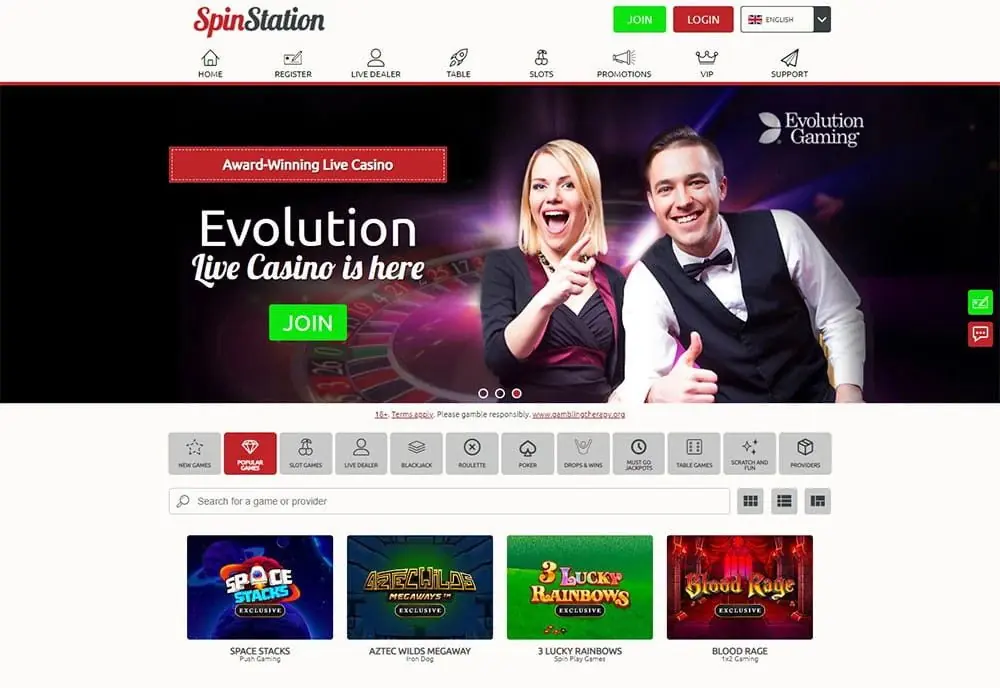
Spin Station is the White Hat Gaming Limited sister brand that adopts retro-themed branding distinct from Grand Ivy’s premium classic positioning, Casimba’s jungle aesthetic, Dream Vegas’s neon palette, Slot Planet’s space theme and Temple Nile’s Egyptian branding. The brand operates under the same UKGC 52894 operator account framework as Grand Ivy with identical platform infrastructure, cashier processes and customer support.
The welcome offer at Spin Station delivers 100% match up to £200 plus 50 free spins on first deposit, with 35x wagering applied to bonus funds and £10 minimum qualifying deposit. The bonus structure is consistent with White Hat Gaming platform norms and complies with current UKGC requirements. The headline ceiling sits below Grand Ivy’s £300 first-deposit match — Spin Station targets the broader mid-stakes player segment within the WHG network through retro brand positioning rather than premium bonus value.
Game library at Spin Station draws from the same White Hat Gaming aggregation that anchors Grand Ivy and peer sisters — Pragmatic Play, NetEnt, Microgaming, Play’n GO, Red Tiger Gaming and Evolution Gaming for live casino. The catalogue depth at approximately 1,000+ titles reflects the brand’s mid-tier positioning within the WHG network rather than the full 3,000+ aggregation that Grand Ivy and Casimba advertise.
What separates Spin Station from Grand Ivy at the player-experience level is the retro thematic positioning rather than fundamental platform distinction. The platform infrastructure is functionally identical between the two brands because of the shared White Hat Gaming aggregation. For UK players evaluating sites like Grand Ivy at brands outside the WHG network with their own thematic positioning, mr q casino sister sites operate under independent UKGC licensing with their own zero-wagering welcome structure that differs materially from the WHG network’s standard 35x rate.
Temple Nile – Best Egyptian-Themed Alternative to Grand Ivy
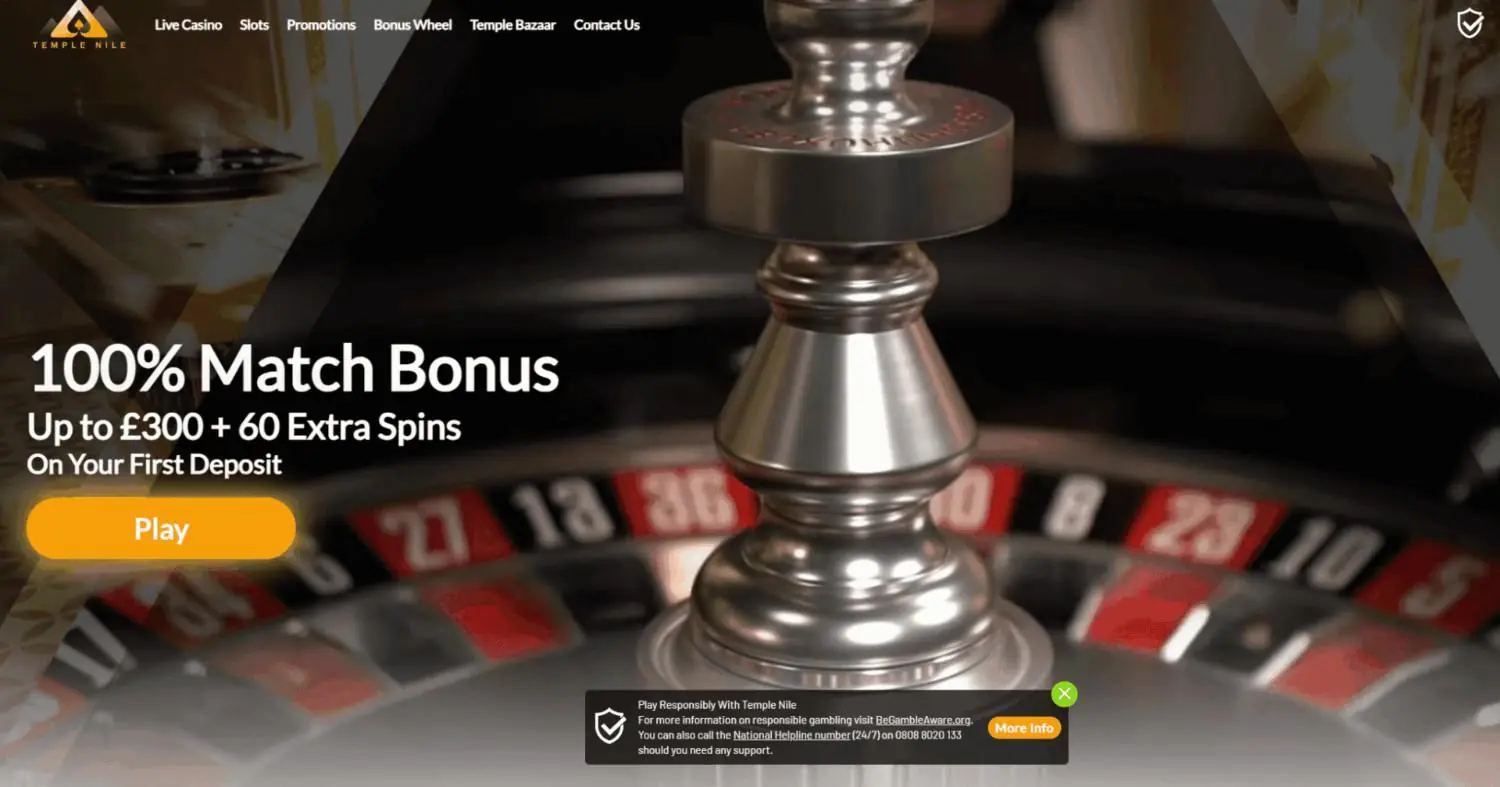
Temple Nile is the White Hat Gaming Limited sister brand that adopts Egyptian-themed visual branding while sharing the underlying White Hat Gaming platform infrastructure that anchors Grand Ivy and peer network brands. The brand operates under the same UKGC 52894 operator account framework with identical cashier flows, KYC chain and customer support framework.
The welcome offer at Temple Nile delivers 200% match up to £200 plus 25 free spins on first deposit, with 35x wagering applied to bonus funds and £10 minimum qualifying deposit. The 200% match rate is more generous than Grand Ivy’s 100% match, though the £200 ceiling sits below Grand Ivy’s £300 first-deposit match. The structure is calibrated for players who want a higher match rate at a lower ceiling rather than the standard 100% match at the higher ceiling that Grand Ivy offers.
Game library at Temple Nile draws from the standard White Hat Gaming aggregation with content selection emphasising Egyptian-themed slot titles where partner studios offer relevant content. The provider mix is consistent with peer White Hat Gaming sisters — NetEnt, Pragmatic Play, Microgaming, Play’n GO, Yggdrasil and Evolution Gaming for live casino. The Egyptian-themed content selection differentiates the player experience at the visual and atmospheric level rather than through fundamental studio access variations.
What separates Temple Nile from Grand Ivy at the player-experience level is the Egyptian thematic branding rather than fundamental product distinction. Both brands share White Hat Gaming network infrastructure with identical cashier flow and KYC framework. Players who specifically prefer Egyptian-themed branding over Grand Ivy’s premium classic positioning will find Temple Nile the natural in-network alternative. For UK players considering broader UKGC alternatives at brands with their own established positioning outside the White Hat Gaming network, unibet sister sites operate under the Kindred Group’s UKGC licensing with deeper sportsbook product positioning.
Our Testing Process: Deposits, Withdrawals and Gameplay
Our methodology for this guide combined desk-based research with primary-source verification across multiple independent reviewer sources. We verified Grand Ivy’s UKGC licence 52894 active status through Casino.org’s documentation noting “licenced to operate in the UK by the UK Gambling Commission (account number 52894)” and the broader White Hat Gaming Limited operator account framework documented across multiple sister-site reviewers. We cross-referenced operator-identity attribution, current welcome offer terms and corporate structure documentation across Bojoko.com (which confirms the UKGC 52894 White Hat Gaming Limited attribution), Bestsistersites.co.uk (which provides the 21-brand White Hat Gaming sister network mapping), Casino.org (welcome bonus and MGA licence number C73232 documentation), Busybeecasino.co.uk (verification flow and responsible gambling tools documentation), Sisterssites.co.uk (Grand Ivy launch date January 1, 2016 and broader regulatory context), Sistersite.com (welcome bonus terms and VIP scheme absence documentation) and Next.io (11 direct sister brand mapping). Player sentiment data verification on Trustpilot, Casino Guru and AskGamblers returned varied sample sizes — the most directly relevant sentiment documentation comes from independent reviewer sources that have engaged with the brand directly rather than from aggregated user-review platforms.
Key Differences Between Grand Ivy and Its Sister Sites
The most material distinction across the White Hat Gaming Limited network is brand-positioning thematic identity rather than fundamental licensing, platform or product distinction. All 21 White Hat Gaming brands operate under the same UKGC 52894 operator account framework with shared platform infrastructure, cashier flows, KYC chain and customer support team. Per bestsistersites.co.uk’s direct documentation: “The same White Hat platform, the same 50+ providers, the same 3,000+ games, the same payment processors, and the same compliance team that runs Casimba and Dream Vegas.” The differentiation sits in brand-positioning thematic identity (premium classic at Grand Ivy, jungle drama at Casimba, neon glare at Dream Vegas, planet/space at Slot Planet, retro at Spin Station, Egyptian at Temple Nile).
Where Grand Ivy specifically wins against peer White Hat Gaming sisters is the premium brand-positioning aesthetic. The black-and-gold visual identity, classic casino design and table-game-prominent lobby structure provide meaningful in-network differentiation for players who prefer sophisticated visual positioning over the more dramatic thematic approaches at peer sisters. Where Grand Ivy loses against peer sisters is the absence of a developed VIP scheme. Per sistersite.com’s direct reviewer documentation: “We’ve looked high and low at Grand Ivy, and we can’t see any evidence of a VIP scheme. We also can’t see much in the way of conventional bonuses. Additional incentives for players at this casino revolve more around prize draws and giveaways than anything else.” Peer brands within the WHG network with more developed loyalty programmes provide more rewarding extended-engagement structures.
For UK players considering broader UKGC alternatives outside the White Hat Gaming Limited network with their own loyalty positioning, dream jackpot sister sites operate under separate UKGC licensing with their own loyalty framework documentation.
New White Hat Gaming Sister Sites in 2026
The most significant recent White Hat Gaming Limited network event was Griffon Casino’s migration to the White Hat Gaming platform in late 2024 — bringing the brand under the same UKGC 52894 operator account framework that anchors Grand Ivy and the broader WHG network. Per reviewer documentation, the verification, payment processing and account setup at Griffon Casino now follow the same patterns as Grand Ivy, Casimba, Dream Vegas, Slot Planet and Spin Station because of the shared platform infrastructure. No major new brand launches are documented under White Hat Gaming Limited specifically during the past year of verification — the operational focus has been on integrating Griffon Casino following its late-2024 migration rather than launching new brands during the consolidation period.
UK players should expect platform-level stability at the current White Hat Gaming brands following the integration completion rather than network expansion. The shared verification and payment-processing infrastructure across White Hat Gaming sister brands provides operational consistency that benefits players who maintain accounts across multiple network brands. For UK players considering broader UKGC alternatives at brands with their own corporate stability documentation, fruitkings sister sites documentation covers another UKGC brand with its own ownership transfer history.
Payment Methods Comparison
The table below shows payment infrastructure across Grand Ivy and the White Hat Gaming Limited sister brands. UKGC-licensed operators including the WHG network operate under the April 2020 credit-card-gambling ban that prohibits credit-card deposits at UK regulated operators — debit card, e-wallet and bank-transfer methods remain available. Per bestsistersites.co.uk’s documentation: “Grand Ivy runs on the same payment infrastructure as every other White Hat brand – one processor, one team, one queue across all 21 casinos. No cryptocurrency options exist on the platform.”
| Payment Method | Min Deposit | Max Deposit | Withdrawal Time | Fees |
|---|---|---|---|---|
| Visa / Mastercard debit | £10 | £5,000-£10,000 | 3-5 business days | None |
| PayPal (GBP currency selection) | £10 | £5,000 | Same-day typical | None typical |
| Skrill / Neteller | £10 | £5,000 | Same-day typical | Operator-side none |
| Trustly (EUR currency selection) | £10 | £5,000 | Within 24 hours typical | None |
| Interac (CAD currency selection) | CAD equivalent | Higher caps available | Within 24 hours typical | None |
| Bank transfer | £10-£20 | Higher caps available | 3-5 business days | None |
A specific Grand Ivy payment observation warrants noting. Per bestsistersites.co.uk’s documentation: “Currency selection at registration is permanent after your first deposit and shapes your entire cashier experience. GBP for PayPal, EUR for Trustly, CAD for Interac.” The currency selection at registration is a structural decision that affects which payment methods remain available throughout the account’s lifetime — players should consider their preferred payment methods carefully before completing registration. No cryptocurrency methods are supported at any White Hat Gaming brand including Grand Ivy. The minimum withdrawal is £10. For UK players considering broader UKGC alternatives with their own published cashier policies, lucky pants bingo sister sites operate under separate UKGC licensing with their own banking-method profiles.
Game Providers at Grand Ivy Sister Sites
The provider distribution across the White Hat Gaming Limited portfolio reveals consistent overlap because the underlying game aggregation is shared at the operator level. Per bojoko.com’s documentation: “Players can find games from the best providers such as NetEnt, Elk Studios, Evolution Gaming, Thunderkick, and 1×2 Gaming.” The 50+ provider depth is functionally identical across White Hat Gaming sister brands because the studio relationships sit at the platform level rather than the individual brand level.
| Site | Top 5 Providers | Approx. Game Count | Live Dealer Available |
|---|---|---|---|
| Grand Ivy | NetEnt, Pragmatic Play, Microgaming, Play’n GO, Evolution Gaming | 3,000+ titles from 50+ providers | Yes (Evolution Gaming) |
| Casimba | NetEnt, Pragmatic Play, Microgaming, Play’n GO, Evolution Gaming | 3,000+ titles from 50+ providers | Yes (Evolution Gaming) |
| Dream Vegas | NetEnt, Pragmatic Play, Microgaming, Play’n GO, Evolution Gaming | 3,000+ titles from 50+ providers | Yes (Evolution Gaming) |
| Slot Planet | Pragmatic Play, NetEnt, Microgaming, Play’n GO, Yggdrasil | 1,500+ titles | Yes (Evolution Gaming) |
| Spin Station | Pragmatic Play, NetEnt, Microgaming, Play’n GO, Red Tiger | 1,000+ titles | Yes (Evolution Gaming) |
| Temple Nile | NetEnt, Pragmatic Play, Microgaming, Play’n GO, Yggdrasil | 1,500+ titles | Yes (Evolution Gaming) |
The provider overlap across the White Hat Gaming portfolio is substantial because the underlying aggregation is shared at the platform level — the studio relationships sit with White Hat Gaming Limited rather than with individual brands. Players moving between sister brands within the network will find functionally identical provider relationships and content libraries with brand-positioning differences in content selection rather than fundamental studio access variations. The Elk Studios, Thunderkick and 1×2 Gaming integrations specifically distinguish the WHG network from peer UKGC platforms that may have narrower provider relationships. For UK players considering broader UKGC alternatives with their own provider relationships, jonny jackpot sister sites operate under separate UKGC licensing with their own studio relationships.
Live Casino at White Hat Gaming Sites
Live casino content across the White Hat Gaming Limited portfolio runs through Evolution Gaming as the primary studio, with full coverage of European Roulette variants, Blackjack variants (including Speed Blackjack and Lightning Blackjack), Baccarat and the Evolution Gaming game-show range including Crazy Time, Lightning Roulette and Monopoly Live. Table limits sit at standard UK regulated market ranges. Sister brands within the WHG portfolio offer comparable live casino coverage because the Evolution Gaming integration is shared at the platform level rather than the individual brand level.
Mobile Experience Across Sister Sites
The Grand Ivy specifically offers an Android mobile application per casino.org’s documentation: “Yes, there is a mobile app, but the app is only available for Android users at the time of writing.” The iOS market is served through browser-based responsive HTML5 delivery rather than a native iPhone application. The mobile experience at peer White Hat Gaming sister brands follows similar patterns — some brands offer Android apps while iOS coverage typically comes through browser delivery. The browser-based responsive design adapts across smartphone and tablet screen sizes with full casino game library access, account management, deposits, withdrawals and bonus activation.
VIP and Loyalty Programmes
Grand Ivy specifically lacks a developed VIP scheme per sistersite.com’s direct reviewer documentation: “We’ve looked high and low at Grand Ivy, and we can’t see any evidence of a VIP scheme. We also can’t see much in the way of conventional bonuses. Additional incentives for players at this casino revolve more around prize draws and giveaways than anything else.” This absence is a structural drawback compared to peer UKGC operators that have developed more comprehensive loyalty programme infrastructure.
Across the broader White Hat Gaming network, sister brands operate VIP frameworks that follow platform-network norms with varied development at the individual brand level. Casimba and Dream Vegas as the flagship mainstream brands provide more developed loyalty positioning than Grand Ivy’s prize-draw approach. Published criteria for VIP tier progression are not always transparently documented in publicly accessible reviewer sources — players considering VIP tier qualification at any WHG network brand should request specific progression criteria from customer support directly.
For UK players seeking broader UKGC alternatives at brands with their own loyalty programme positioning, ted bingo sister sites operate under separate UKGC licensing with their own VIP framework documentation.
Features These Casinos Lack
The Grand Ivy and the broader White Hat Gaming Limited network operate within standard UKGC regulatory requirements but exhibit several documented gaps compared to peer UKGC operators. First, the absence of cryptocurrency support across all White Hat Gaming sister brands. Per bestsistersites.co.uk’s documentation: “No cryptocurrency options exist on the platform.” Players who specifically want Bitcoin, Ethereum or other cryptocurrency deposit methods cannot access them at any WHG brand including Grand Ivy.
Second, the limited VIP development at Grand Ivy specifically. The absence of a documented VIP scheme is unusual within the UK regulated market — most UKGC operators have developed tiered loyalty frameworks that provide meaningful extended-engagement value. Grand Ivy’s prize-draw-based incentive structure is structurally weaker than peer UKGC operators’ developed VIP programmes.
Third, on UKGC fund protection specifically: UKGC-licensed operators are categorised into three player-fund protection tiers — Not Protected (no separation between operator and player funds), Medium Protection (player funds held in trust arrangement with partial bankruptcy protection), and High Protection (full segregated trust accounts with bankruptcy protection in the event of insolvency). Grand Ivy’s specific fund protection tier categorisation should be verified directly with the operator.
Safety, Licensing and GamStop Status
The Grand Ivy regulatory position centres on White Hat Gaming Limited’s UKGC licence 52894 verified active on 15 May 2026 alongside MGA dual-authorisation under MGA/B2C/370/2017 (and the operator’s broader MGA licence C73232 per casino.org’s documentation). Per sistersite.com’s direct documentation: “Both licenses are held by White Hat Gaming Limited. These same licences cover all of the Grand Ivy sister sites, and the UKGC licence is clean at the time of writing.”
| Site | Licence Body | UKGC Licence No. | Self-Exclusion Registered | RNG Testing |
|---|---|---|---|---|
| Grand Ivy | UKGC + MGA | 52894 (White Hat Gaming Limited) | Registered with GamStop | eCOGRA / GLI |
| Casimba | UKGC + MGA | 52894 (White Hat Gaming Limited) | Registered with GamStop | eCOGRA / GLI |
| Dream Vegas | UKGC + MGA | 52894 (White Hat Gaming Limited) | Registered with GamStop | eCOGRA / GLI |
| Slot Planet | UKGC + MGA | 52894 (White Hat Gaming Limited) | Registered with GamStop | eCOGRA / GLI |
| Spin Station | UKGC + MGA | 52894 (White Hat Gaming Limited) | Registered with GamStop | eCOGRA / GLI |
| Temple Nile | UKGC + MGA | 52894 (White Hat Gaming Limited) | Registered with GamStop | eCOGRA / GLI |
GamStop covers every UKGC-licensed operator across the entire UK market — exclusion at one operator automatically blocks the player at every UKGC-licensed casino, sportsbook and bingo brand simultaneously, regardless of which UKGC operator account licence the brand sits under. The Grand Ivy sister brands all share the same White Hat Gaming Limited UKGC 52894 operator account, meaning a single self-exclusion request applies across all 21 WHG brands simultaneously — and also across the entire UK regulated market because GamStop coverage is account-agnostic. UK players concerned about gambling harm can access free, confidential support from GamCare on the National Gambling Helpline at 0808 8020 133 or register with GamStop for cross-operator UK self-exclusion.
The UKGC public register shows no published regulatory enforcement actions against White Hat Gaming Limited as of the 15 May 2026 verification date per sistersite.com’s documentation: “the UKGC licence is clean at the time of writing.”
Common Complaints and Issues
The Grand Ivy complaint pattern concentrates on three documented themes across reviewer documentation. First, the absence of comprehensive banking information transparency. Per sistersite.com: “Little things bother us, though, like the lack of banking information.” Players who want fully transparent cashier documentation including specific min/max thresholds per payment method find Grand Ivy’s published documentation less detailed than peer UKGC operators.
Second, the absence of a developed loyalty programme. Per sistersite.com: “the absence of anything that resembles a reward for showing loyalty to the brand” represents a structural drawback compared to peer UKGC operators that have invested in tiered VIP frameworks.
Third, the structural absence of cryptocurrency support across the broader White Hat Gaming network. Players who specifically want Bitcoin, Ethereum or other cryptocurrency deposit pathways cannot access them at Grand Ivy or any peer White Hat Gaming sister. The standard fiat method coverage (Visa, Mastercard debit, PayPal, Skrill, Neteller, Trustly, bank transfer) is comprehensive within UK regulated market norms, but the cryptocurrency absence is a documented gap relative to broader market expectations.
For UK players considering broader UKGC alternatives with more developed loyalty positioning, alternative brands within the broader UK regulated market provide several options with their own complaint and resolution patterns.
What Users Say
| Source | What Players Praise | What Players Criticise |
|---|---|---|
| Bojoko.com | UKGC licensing under White Hat Gaming Limited; consistent platform infrastructure across sisters | Same payment methods across sisters limit cross-brand variety |
| Bestsistersites.co.uk | Premium classic positioning; black-and-gold visual identity; table game prominence | “Same White Hat platform, same compliance team, same payment processors” across all 21 sisters limits in-network differentiation |
| Casino.org | UKGC and MGA dual-licensing; Android mobile app availability; SSL encryption | iOS native app not available |
| Sistersite.com | Excellent range of casino games; clean UKGC licence; 100% match welcome at £300 ceiling | “Lack of banking information”; “absence of anything that resembles a reward for showing loyalty”; missing VIP scheme |
The reconciliation across reviewer sources is consistent: institutional reviewers acknowledge Grand Ivy’s clean UKGC and MGA dual-licensing positioning, premium brand aesthetic and substantial game library while flagging the missing VIP scheme, limited banking documentation and broader White Hat Gaming network’s structural similarity across all 21 brands. The brand is documented as legitimate and player-safe but with structural feature gaps that more developed peer UK regulated operators do not exhibit.
Bonus and Wagering Requirements at Grand Ivy Sister Sites
A UK player deposits £100 to trigger Grand Ivy’s first-deposit welcome offer.
| Step | Detail at Grand Ivy | Figure |
|---|---|---|
| 1 | Player deposits qualifying amount | £10 minimum (£100 in this example) |
| 2 | 100% match bonus credited | £100 (up to £300 ceiling) |
| 3 | Free spins component | 25 free spins on Starburst (NetEnt) |
| 4 | Total balance after credit | £200 (£100 deposit + £100 bonus) |
| 5 | 35x wagering applied to bonus amount | £3,500 turnover required on bonus |
| 6 | If maxed out at £300 first-deposit bonus | £10,500 wagering to clear the full £300 |
| 7 | Bonus expiry window | 72 hours per sistersite.com documentation |
The £10,500 turnover requirement on the maximum £300 bonus illustrates the practical cost of the 35x wagering rate. Under UKGC Social Responsibility Code 5.1.1 — which came into force for UKGC-licensed operators on 19 January 2026 as a single specific reform separate from the UKGC’s stake-limit and affordability-check changes in the same regulatory cycle — wagering caps apply to bonus funds at 10x maximum at the bonus-amount level. Grand Ivy’s 35x wagering structure predates the new framework or applies under the specific structure that the SR Code primarily targets. The 72-hour bonus expiry window is a tight time pressure — players who do not complete the wagering requirement within 72 hours forfeit the bonus and any associated winnings. For UK comparison context, a £300 bonus × 10 = £3,000 turnover under the SR Code 5.1.1 framework, versus £10,500 at the 35x rate. Players should verify current bonus terms directly on the Grand Ivy website before depositing because promotional structures evolve. For UK players considering broader UKGC alternatives with their own welcome bonus structures, kwiff sister sites operate under independent UKGC licensing with their own welcome offer positioning.
How to Choose the Right Sister Site
For UK players evaluating Grand Ivy sister sites within the White Hat Gaming Limited network, the practical decision tree narrows to four questions. First, do you want mainstream broad-audience positioning — Casimba is the natural in-network pick as the flagship WHG brand with the largest accumulated reviewer documentation. Second, do you want the highest possible bonus ceiling — Dream Vegas offers the £7,000 cap but at the 50x wagering rate that is heavier than peer sisters. Third, do you want a specific thematic visual identity — Slot Planet (space), Spin Station (retro), Temple Nile (Egyptian) provide thematic alternatives to Grand Ivy’s premium black-and-gold positioning. Fourth, do you want corporate-network continuity with brands recently integrated under the WHG platform — Griffon Casino joined the WHG platform in late 2024 under the same UKGC 52894 operator account framework.
For UK players considering sites like Grand Ivy at brands outside the White Hat Gaming Limited corporate group with their own established positioning, the broader UK regulated market provides numerous alternatives with varying positioning and feature documentation. The platform-network consistency at White Hat Gaming brands is itself a structural consideration — players who want clear differentiation between casinos may find the in-network similarity less appealing than peer UKGC operators with their own platform infrastructure.
Which Grand Ivy Sister Site Is Best?
Grand Ivy has approximately 20 confirmed sister sites within the White Hat Gaming Limited network including Casimba, Dream Vegas, Temple Nile, Slot Planet, Spin Station, Barz Casino, Spin Rider, Spinland, Miami Dice, Slotnite, PlayGrand, Hello Casino, Diamond 7, Play Million, Jackpot Village, Supa Casino, Dukes Casino, Hippozino, Red Kings, Skol Casino, 21 Prive, Mainstage Bingo — plus the recently-integrated Griffon Casino following its late-2024 platform migration.
If the question is which Grand Ivy sister site offers the strongest in-network proposition, Casimba is the natural pick for mainstream casino players given its broader audience-targeting positioning and the deepest accumulated operational track record within the WHG network. Dream Vegas serves the high-stakes player segment with the £7,000 bonus ceiling. Slot Planet, Spin Station and Temple Nile occupy the thematic-differentiation tier without significantly distinct product positioning from each other.
The harder question is whether Grand Ivy itself remains the best choice within its sister-site network. The premium black-and-gold positioning, 3,000+ game library and clean UKGC licence give the brand meaningful positives. The absence of a developed VIP scheme, the limited banking documentation transparency and the broader WHG network’s structural similarity across all 21 brands represent meaningful negatives. Whichever brand is selected, players should complete KYC verification immediately after registration to avoid withdrawal-stage friction. UK players who recognise the warning signs of harmful gambling can contact GamCare on the National Gambling Helpline at 0808 8020 133, available 24 hours a day and free from UK landlines and mobiles.