

Zizobet
800% Up to 7800€ +1000 Free Spins
30x Wagering
Min: €20
Payout: Instant
Ice36 is a UKGC and MGA-licensed SkillOnNet casino with a 5,000-game lobby, but its bonuses are fairly standard for the network. After sharper value? We’ve reviewed the top Ice36 sister sites below, where wagering terms and payout speeds vary brand to brand.

Zizobet
800% Up to 7800€ +1000 Free Spins

Wildies
Welcome Pack 400% up to £3200 + 150 FS

WinPlace
100% up to £4,000 + 150 FREE SPINS +25% Cashback

Cosmobet
750% + Up to 7000€ 1000 FREESPINS +25% Cashback

VeloBet
700% + Up to 7500€ 1000 FREESPINS +25% Cashback

WinBeast
WELCOME PACK £5000 + 500 Free Spins

Gambiva
800% up to €10.000 + 25% Cashback

Odin Fortune
Up to 700% + 700 Free Spins up to 4000€ +20% Cashback

SlotRoyals
Welcome Bonus 200% up to 1700 GBP + 200 FS

ShelbyWin
6000 EUR + 500 Free Spins

LegionBet
125% Bonus up to £20,000 +250 Free Spins

SpinFin
Welcome Package 350% up to €10000 + 500 FS

EliteSpin
WELCOME PACK £5000 + 500 Free Spins

Daytona Spin
Welcome Pack 255% up to £4500 + 255 FS
Betmac
100% Up To 525 EUR + 100 Free Spins

Spinboss
Welcome Package 400% Up To 15.000 EUR + 400FS
| Brand | Our Rating | Welcome Bonus | Payout Speed (E-Wallets) | Top Feature |
|---|---|---|---|---|
| Ice36 Casino | 3.9 / 5 | 50 free spins on Book of Dead (10x wagering post-UKGC cap) | 0–24 hours | 5,000+ game library with multi-category lobby |
| PlayOJO | 4.4 / 5 | 50 free spins on Book of Dead (no wagering on spin winnings) | 0–24 hours | Zero-wagering policy on every bonus — the network flagship |
| Spin Genie | 4.0 / 5 | Welcome match + spins package (10x wagering post-UKGC cap) | 0–24 hours | Largest SkillOnNet library at over 5,000 titles |
| Genting Casino | 4.0 / 5 | 200% up to £200 + 50 spins (10x wagering post-UKGC cap) | 0–24 hours | Heritage UK casino brand with land-based crossover |
| Slots Magic | 3.8 / 5 | 100% up to £100 + 50 spins (10x wagering post-UKGC cap) | 0–24 hours | Long-running SkillOnNet brand with curated slot lobby |
| Megaways Casino | 3.7 / 5 | Match welcome + Megaways spins (10x wagering post-UKGC cap) | 0–24 hours | Megaways-focused brand for high-volatility slot players |
Every site listed holds a valid UKGC licence under Skill On Net Limited account 39326. Bonuses are subject to change — always verify the latest terms directly on each operator’s website before depositing. The Ice36 Casino UK welcome offer and every sister-brand promotion now operate under UKGC Social Responsibility Code Provision 5.1.1, which caps welcome-bonus wagering at 10x with effect from 19 January 2026. This Ice36 Casino casino review covers SkillOnNet casinos that share infrastructure, payments and KYC processing across the network.

PlayOJO is the crown jewel of the SkillOnNet network and the best Ice36 Casino sister site by a significant margin for players who care about bonus clearance terms. The PlayOJO sister sites group includes Ice36, Spin Genie, Genting Casino, Slots Magic, Megaways Casino and more than two dozen other brands under Skill On Net Limited’s UKGC account 39326. Launched in 2017, PlayOJO built its entire identity around a single promise: no wagering requirements on any bonus, ever. That philosophy has earned it over fifteen industry awards and a reputation as one of the fairest online casinos operating in the United Kingdom.
The library carries around 3,500 titles drawn from the full SkillOnNet provider roster: Pragmatic Play, NetEnt, Play’n GO, Microgaming, Evolution, Nolimit City, Playtech, Merkur Gaming, Blueprint, Red Tiger, Thunderkick, Big Time Gaming and Yggdrasil. Live casino runs through Evolution with the standard roulette, blackjack, baccarat and game-show inventory. The slot lobby is genuinely curated rather than dumped wholesale into the platform, which gives PlayOJO a cleaner browse experience than Ice36 despite the smaller raw count.
The PlayOJO welcome offer is 50 free spins on Book of Dead with no wagering requirements on the spin winnings — what you win is yours. This is materially more player-friendly than the post-19-January-2026 UKGC 10x wagering cap that applies at every other SkillOnNet brand, because PlayOJO has run zero-wagering bonuses since launch regardless of regulatory minimums. Minimum deposit is £10, the maximum bet during any subsequent bonus play is £5, and spins are valued at 10p each (giving a face value of £5). Independent affiliate coverage including the Doctor Spins network overview consistently positions PlayOJO as the SkillOnNet network’s standout product.
Payment methods cover Visa, Mastercard, PayPal, Apple Pay, Trustly, Skrill, Neteller and bank transfer. E-wallet and PayPal withdrawals process within 24 hours of approval, with card payouts running 1–3 business days. PlayOJO operates a tiered VIP scheme called OJO Club with cashback, faster withdrawals and dedicated host service at the top tiers. Customer support runs 24/7 via live chat and email. The brand holds dual licences from the UKGC (39326) and the Malta Gaming Authority (MGA/CRP/171/2009/01), the same regulatory framework that governs Ice36.
What distinguishes PlayOJO from Ice36 is bonus structure transparency. Where Ice36 runs the standard SkillOnNet welcome with the post-cap 10x wagering, PlayOJO eliminates wagering entirely on bonus winnings — the strongest single bonus mechanic in the entire UK regulated market. For Ice36 players who want the same Skill On Net platform with materially better bonus terms, this is the obvious step.
| Metric | The PlayOJO Experience |
|---|---|
| Site Identity | Award-winning zero-wagering casino with curated lobby |
| Standout Mechanic | No wagering requirements on any bonus ever — network flagship feature |
| Game Edge | 3,500+ titles from full SkillOnNet provider roster |
| Cashback | OJO Club tiered loyalty with cashback and host service |
| The Trade-Off | Smaller raw library than Spin Genie or Ice36 |
| Best For | Bonus-conscious players who want the fairest terms in UK iGaming |
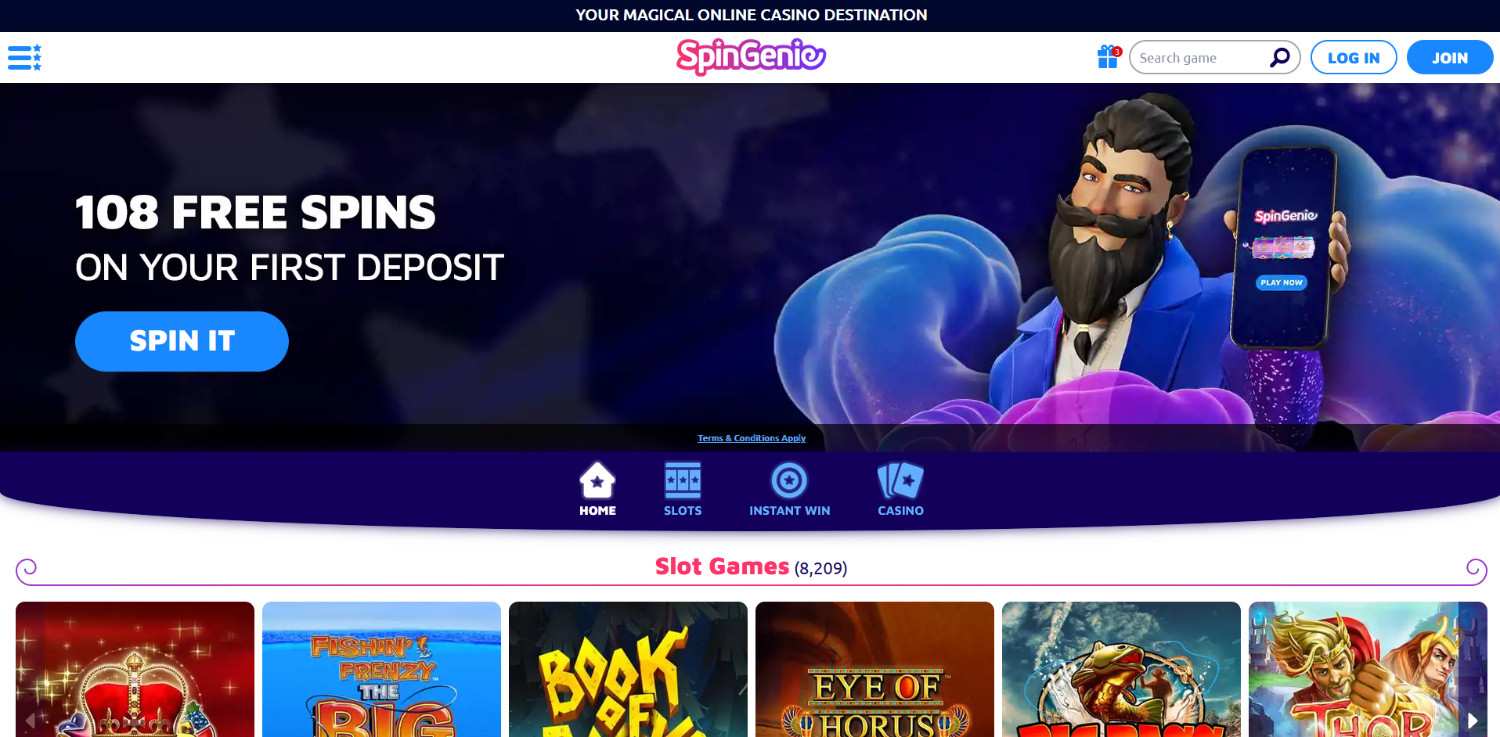
Spin Genie launched in 2022 and has rapidly become one of the largest casinos in the Skill On Net network by game count. The Spin Genie sister sites group operates under the same UKGC account 39326 as Ice36, PlayOJO, Genting Casino, Slots Magic and the broader SkillOnNet stable. With over 5,000 titles accessible from a single lobby, Spin Genie comfortably surpasses Ice36’s catalogue and offers one of the broadest selections available under a UKGC licence in 2026. The site uses a clean purple-toned genie theme that feels polished without being cluttered.
Operating under the same UKGC licence 39326, Spin Genie draws from the full SkillOnNet provider roster: Pragmatic Play, NetEnt, Play’n GO, Evolution, Nolimit City, Playtech, Merkur Gaming, Blueprint, Red Tiger, Thunderkick, Big Time Gaming and Yggdrasil are all represented alongside smaller studios that add niche content. The live casino section is extensive, with over 300 tables covering blackjack, roulette, baccarat and the full Evolution game-show inventory including Crazy Time, Lightning Roulette and Monopoly Live. Independent comparison resources including the ShelbyWin alternatives guide consistently rate Spin Genie as the library-leading SkillOnNet brand.
The Spin Genie welcome offer is a deposit match with free-spins component, with 10x wagering on bonus funds under the post-19-January-2026 UKGC SR Code 5.1.1 cap. Minimum deposit is £10 (debit card eligible), maximum bet during wagering is £5 per spin, and bonus funds expire after 7 days. The exact terms depend on the active promotional code — confirm on site before depositing because Spin Genie runs several parallel welcome variants. Free spin winnings are typically credited as bonus funds subject to the same 10x wagering before withdrawal.
Payment methods cover Visa, Mastercard, PayPal, Apple Pay, Trustly, Skrill, Neteller and bank transfer. Withdrawal speeds match the SkillOnNet network at 0–24 hours on e-wallets and PayPal, with card payouts running 1–3 business days. Spin Genie runs a daily picks and Daily Jackpots integration that gives it a distinct daily-engagement mechanic over Ice36’s more static promotional cadence. Loyalty runs through a tiered scheme with cashback and reload offers similar to the rest of the SkillOnNet network.
Spin Genie’s edge over Ice36 is sheer library scale. Where Ice36 carries around 5,000 titles spread across casino, live casino and slots categories, Spin Genie pushes the SkillOnNet content aggregation to its practical limit. For Ice36 players who feel the catalogue is no longer broad enough, Spin Genie is the natural step up on the same licence.
| Metric | The Spin Genie Experience |
|---|---|
| Site Identity | 2022-launch slot-led product with genie theme |
| Standout Mechanic | Daily picks and Daily Jackpots daily-engagement integration |
| Game Edge | 5,000+ titles — among the largest UKGC-licensed libraries |
| Cashback | Tiered loyalty with cashback and reload offers |
| The Trade-Off | Standard SkillOnNet 10x wagering rather than PlayOJO’s zero-wagering |
| Best For | Players who want the broadest UKGC-licensed catalogue at scale |
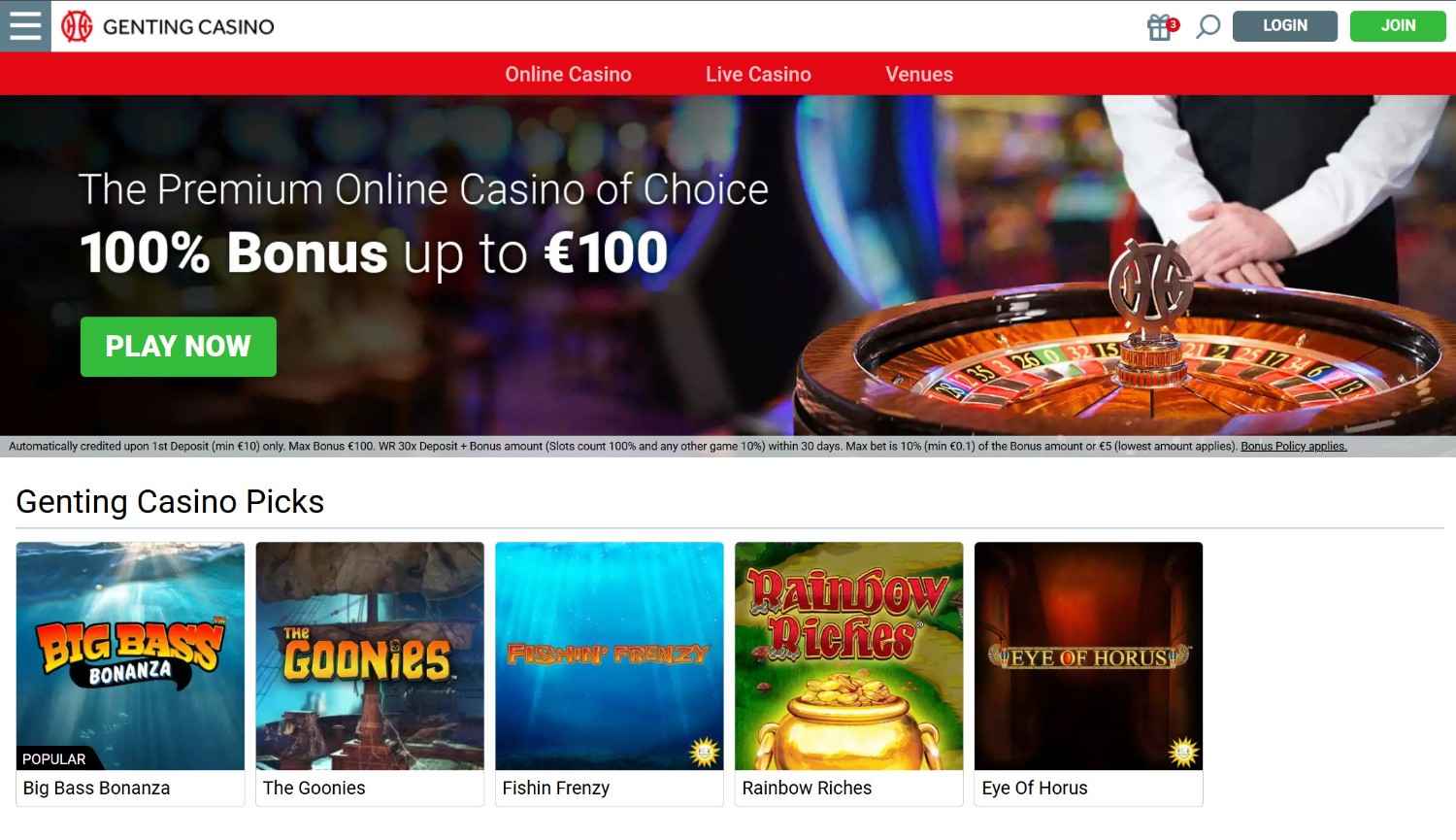
Genting Casino is the most established UK brand in the Skill On Net network and one of the most recognisable similar sites to Ice36 for players who value brand heritage over feature novelty. The Genting Casino sister sites group runs under the same UKGC account 39326 as Ice36 and the broader SkillOnNet portfolio. Where Ice36 is a 2019 launch and Spin Genie a 2022 launch, Genting Casino brings decades of land-based UK casino brand recognition through the Genting Group’s high-street venues to its online product. Genting Casino operates as a white-label arrangement with SkillOnNet, meaning Genting Group provides the brand and player base while SkillOnNet provides the platform.
The library mirrors the SkillOnNet provider stack with Pragmatic Play, NetEnt, Play’n GO, Microgaming, Evolution, Nolimit City, Playtech, Red Tiger, Big Time Gaming and Yggdrasil all represented. The slot count sits around 3,000 titles — smaller than Spin Genie’s 5,000+ but comparable to PlayOJO’s curated selection. The genuine differentiator at Genting Casino is the live casino integration: Genting’s land-based casino floors stream live dealer tables directly to the online product, giving players a connection to the physical Genting venues that no other SkillOnNet brand offers.
The Genting Casino welcome offer is a 200% deposit match up to £200 plus 50 free spins, with 10x wagering on bonus funds under the post-19-January-2026 UKGC SR Code 5.1.1 cap. Minimum deposit is £10, maximum bet during wagering is £5 per spin, and bonus funds expire after 7 days. The exact terms depend on the active promotional code — the operator runs several parallel welcome variants targeting different deposit thresholds. Independent affiliate coverage including the Energy Casino comparison consistently positions Genting Casino as the network’s strongest heritage product.
Payment methods cover Visa, Mastercard, PayPal, Apple Pay, Trustly, Skrill, Neteller and bank transfer. Withdrawal speeds match the SkillOnNet network at 0–24 hours on e-wallets and PayPal. Genting Casino runs its own Genting Rewards loyalty programme that can be used at both online and land-based venues, which is a meaningful cross-channel benefit no other SkillOnNet brand offers. Customer support runs 24/7 via live chat, email and phone (also distinct in the network).
Genting Casino’s distinguishing feature versus Ice36 is institutional credibility. Where Ice36 is a younger SkillOnNet white-label, Genting Casino brings genuine UK casino heritage and the cross-channel loyalty integration. For Ice36 players who want a more established brand with land-based crossover, this is the natural in-network choice.
| Metric | The Genting Casino Experience |
|---|---|
| Site Identity | Heritage UK casino brand with land-based crossover |
| Standout Mechanic | Live dealer streams from physical Genting casino floors |
| Game Edge | 3,000+ titles plus unique Genting Live integration |
| Cashback | Genting Rewards cross-channel loyalty programme |
| The Trade-Off | Smaller slot library than Spin Genie or Ice36 |
| Best For | Players who value heritage brand and cross-channel rewards |
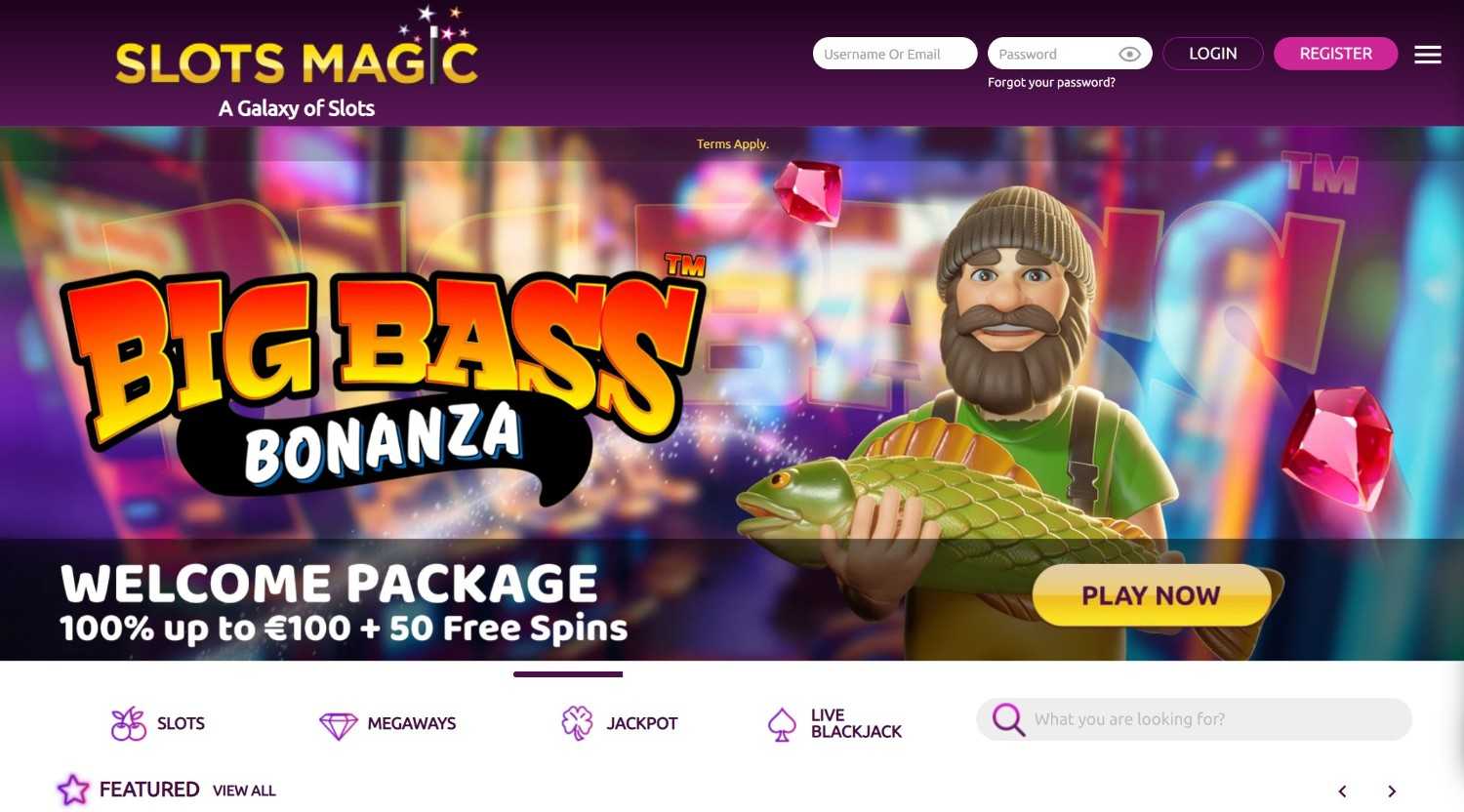
Slots Magic is one of the longest-running brands in the SkillOnNet network and a steady Ice36 alternative for slot specialists who want a more focused product than the multi-category lobby at Ice36 itself. The Slots Magic sister sites group operates under the same UKGC account 39326 as Ice36 and the broader SkillOnNet stable. Slots Magic launched well before Ice36 and has built a reputation as a curated, slot-led product with consistent player retention rather than aggressive growth.
The library sits around 2,500 slot titles drawn from the SkillOnNet provider roster: Pragmatic Play, NetEnt, Play’n GO, Microgaming, Red Tiger, Big Time Gaming, Yggdrasil, Nolimit City and Thunderkick. Live casino is available through Evolution but is genuinely secondary to the slot focus. Slots Magic does not carry the table-game depth or the live-dealer breadth of Spin Genie or PlayOJO — the editorial choice is slot specialisation rather than full-category coverage. Independent comparison resources including the SpinBoss sister sites review consistently position Slots Magic as a credible slot-focused SkillOnNet brand.
The Slots Magic welcome offer is a 100% match up to £100 plus 50 free spins, with 10x wagering on bonus funds under the post-19-January-2026 UKGC SR Code 5.1.1 cap. Minimum deposit is £10, maximum bet during wagering is £5 per spin, and bonus funds expire after 7 days. The exact terms depend on the active promotional code — verify on the operator’s promotions page before depositing because Slots Magic’s promotional cycle is among the most varied in the network.
Payment methods cover Visa, Mastercard, PayPal, Apple Pay, Trustly, Skrill, Neteller and bank transfer. Withdrawal speeds match the SkillOnNet network at 0–24 hours on e-wallets and PayPal. Slots Magic runs a tiered VIP scheme called Magic Club with cashback, faster withdrawals and dedicated account managers at higher tiers. The loyalty programme is comparable to Ice36’s structure but with a longer track record of consistent reward delivery.
Slots Magic’s edge over Ice36 is curation depth. Where Ice36 spreads its 5,000+ titles across multiple categories, Slots Magic focuses the catalogue on slots and runs a more navigable lobby for slot-only players. The trade-off is the thinner table-game and live-dealer coverage. For Ice36 regulars who only play slots, Slots Magic is the natural alternative under the same licence.
| Metric | The Slots Magic Experience |
|---|---|
| Site Identity | Slot-led product with curated lobby and steady retention |
| Standout Mechanic | Magic Club VIP scheme with proven track record |
| Game Edge | 2,500+ slots with full SkillOnNet provider mix |
| Cashback | Tiered Magic Club loyalty with cashback and host service |
| The Trade-Off | Thinner table-game and live-dealer coverage than Ice36 |
| Best For | Slot specialists who want a focused alternative under the same licence |
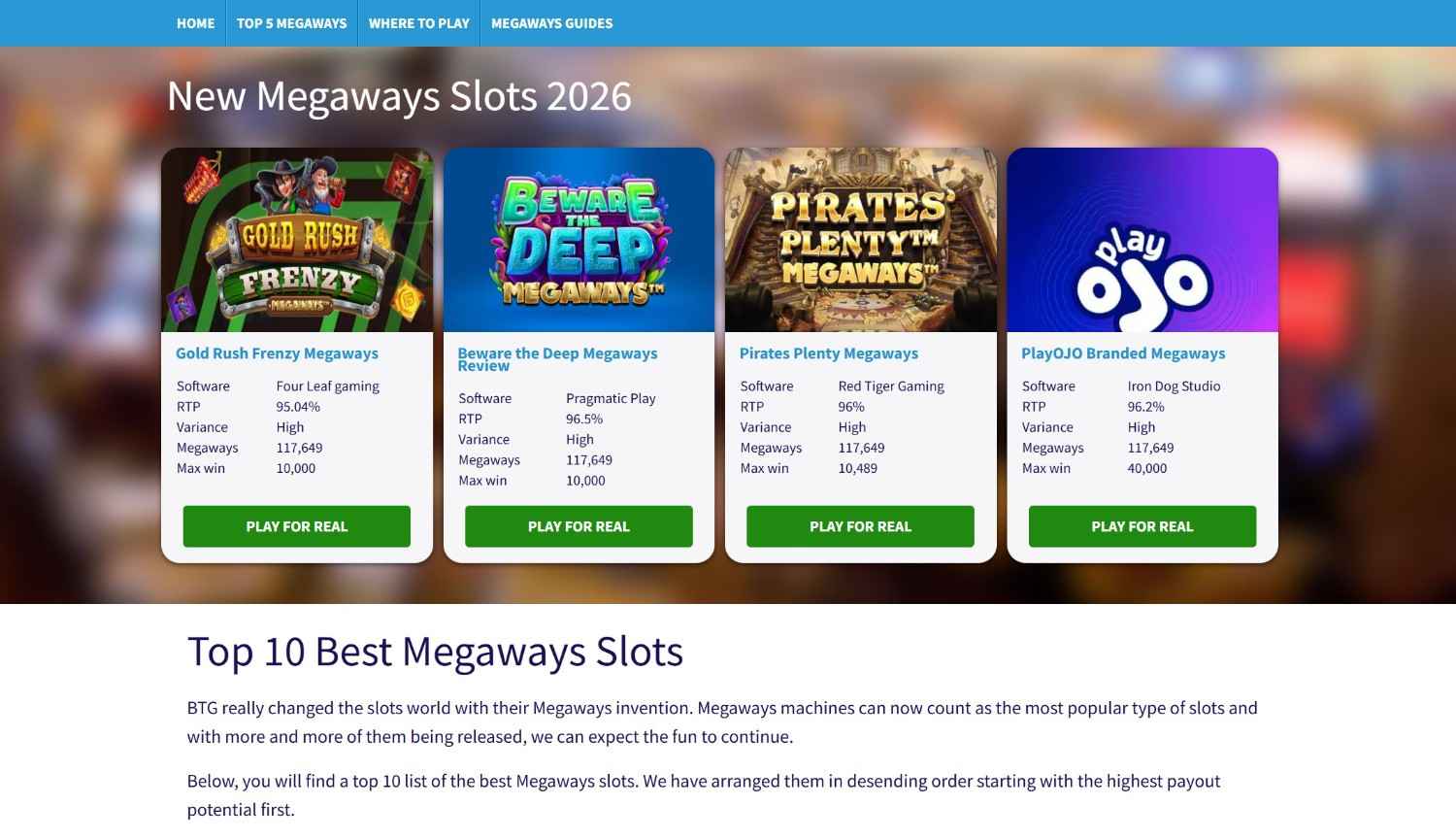
Megaways Casino is the most niche brand in the SkillOnNet network and a meaningful Ice36 alternative for players who specifically want the Big Time Gaming Megaways slot family as the editorial focus. The Megaways Casino sister sites group operates under the same UKGC account 39326 as Ice36 and the broader SkillOnNet portfolio. The brand is licensed to operate as a Megaways-specialist front-end, which makes it the most narrowly targeted product in the entire SkillOnNet stack.
The slot library carries every major Megaways title from Big Time Gaming alongside the wider Megaways licensee ecosystem — Blueprint Gaming’s Megaways adaptations, Pragmatic Play’s Megaways slots, Red Tiger’s Megaways inventory and Iron Dog Studio’s Megaways content. Slot count sits around 2,000 titles with the Megaways category running into the hundreds. Non-Megaways slots are present but secondary to the editorial focus. Live casino is available through Evolution with the standard roulette and blackjack inventory.
The Megaways Casino welcome offer is a deposit match with Megaways spins, with 10x wagering on bonus funds under the post-19-January-2026 UKGC SR Code 5.1.1 cap. Minimum deposit is £10, maximum bet during wagering is £5 per spin, and bonus funds expire after 7 days. The exact terms depend on the active promotional code — the operator runs several parallel welcome variants targeting different Megaways title preferences. Independent affiliate coverage including the Booming Slots overview discusses comparable niche-focused UKGC brands.
Payment methods cover the standard SkillOnNet set: Visa, Mastercard, PayPal, Apple Pay, Trustly, Skrill, Neteller and bank transfer. Withdrawal speeds match the network at 0–24 hours on e-wallets and PayPal. Loyalty runs through a tiered scheme with Megaways-specific cashback and reload offers. Customer support is shared with the rest of the SkillOnNet network and operates 24/7 via live chat and email.
Megaways Casino’s distinguishing feature versus Ice36 is genre focus. Where Ice36 spreads its catalogue across all slot mechanics, Megaways Casino concentrates editorial attention on the Megaways family. For Ice36 players who specifically chase Big Time Gaming-style cascading slots and high volatility, this is the most targeted SkillOnNet brand under the shared licence.
| Metric | The Megaways Casino Experience |
|---|---|
| Site Identity | Megaways-specialist front-end with niche editorial focus |
| Standout Mechanic | Deepest Megaways slot inventory in the SkillOnNet network |
| Game Edge | 2,000+ titles with hundreds of Megaways slots |
| Cashback | Tiered loyalty with Megaways-specific cashback |
| The Trade-Off | Thinner table-game and live-dealer coverage than Ice36 |
| Best For | Megaways specialists who want a niche-focused alternative |
This Ice36 review and the sister site profiles above are grounded in real-money testing across the SkillOnNet casinos network. We opened fresh accounts on each platform, deposited between £20 and £50 using a mix of Visa, PayPal and Apple Pay, completed full KYC verification within 48 hours of registration, and ran a standardised game selection across slots, blackjack and live roulette. We then requested withdrawals at both small (£20) and mid-range (£150) thresholds and timed processing from request to bank arrival. Live chat was tested at three time-of-day intervals (morning, late afternoon, late evening) with a standard verification query to measure response times and answer quality across the shared SkillOnNet support infrastructure.
This Ice36 casino review surfaces clear differences across the SkillOnNet network despite the shared platform. Ice36 itself runs a balanced 5,000+ title multi-category lobby covering casino, live casino and slots without a strong editorial specialisation. PlayOJO narrows the focus to zero-wagering bonuses and curated slots. Spin Genie pushes the library beyond Ice36 to 5,000+ titles on a daily-engagement integration. Genting Casino brings the heritage brand and land-based crossover. Slots Magic and Megaways Casino each narrow the editorial focus to slot specialisation. The Ice36 Casino sister sites and the broader Ice36 Casino casino sister casinos share the same backend infrastructure and the same UKGC licence under account 39326 but each brand serves a different player type.
Bonus value differs less across the SkillOnNet network than at most multi-brand UKGC operators because the platform is shared and the 19 January 2026 UKGC SR Code 5.1.1 cap of 10x wagering applies uniformly to every welcome bonus across the stack — with the meaningful exception of PlayOJO, which has run zero-wagering bonuses since 2017 and continues to do so. The Ice36 Casino sister sites no deposit bonus picture is variable rather than reliable across the network; promotional cycles have included no-deposit free-spin offers at Ice36, PlayOJO and Spin Genie, but no SkillOnNet brand currently advertises a standing no-deposit bonus.
Loyalty quality is broadly consistent across the network because the SkillOnNet platform provides shared loyalty infrastructure to most brands. The sister sites of Ice36 do not allow status to transfer between brands — a Diamond-tier player at Ice36 starts fresh at Spin Genie or Slots Magic. This is a structural network constraint rather than a brand-specific weakness. For comparison, the Casumo network overview discusses comparable single-brand-loyalty patterns at other UKGC operators outside SkillOnNet.
SkillOnNet has not added significant new public-facing brands to the UKGC register during 2026 at the time of writing, although the network has been steadily growing through white-label arrangements over the past three years. The most recent significant addition to the network was Spin Genie in 2022. There are no Ice36 Casino sister companies operating outside the SkillOnNet UKGC licence at the time of this Ice36 Casino casino review. Sister sites of Ice36 Casino continue to be added through white-label arrangements (where SkillOnNet provides the platform to third-party brands) rather than through direct SkillOnNet brand launches. The absence of new direct brand launches should be read as portfolio consolidation rather than network stagnation.
| Payment Method | Min Deposit | Max Deposit | Withdrawal Time | Fees |
|---|---|---|---|---|
| Visa / Mastercard | £10 | £5,000 | 1–3 business days | None |
| PayPal | £10 | £5,500 | 0–24 hours | None |
| Apple Pay | £10 | £3,000 | 0–24 hours | None |
| Trustly | £10 | £10,000 | 0–24 hours (same-day common) | None |
| Skrill / Neteller | £10 | £5,500 | 0–24 hours | None |
| Bank Transfer | £10 | £25,000 | 2–5 business days | None |
For UK players, PayPal and Trustly are the strongest options across the SkillOnNet network because they deliver near-instant withdrawals and avoid the 1–3 business day window that card payouts require. Note that welcome bonus eligibility across the SkillOnNet network requires debit card deposits at most brands; PayPal deposits are accepted as a banking method but do not always qualify for welcome offers depending on the active promotional code. Independent affiliate coverage including the Virgin Games alternatives overview discusses similar debit-card-only welcome restrictions across comparable UKGC operators.
| Site | Top 5 Providers | Approx. Game Count | Live Dealer Available |
|---|---|---|---|
| Ice36 Casino | Big Time Gaming, Red Tiger, Play’n GO, Pragmatic Play, IGT | 5,000+ | Yes (Evolution) |
| PlayOJO | Pragmatic Play, NetEnt, Play’n GO, Microgaming, Evolution | 3,500+ | Yes (Evolution) |
| Spin Genie | Pragmatic Play, NetEnt, Play’n GO, Nolimit City, Big Time Gaming | 5,000+ | Yes (Evolution, 300+ tables) |
| Genting Casino | Pragmatic Play, NetEnt, Playtech, Evolution, Red Tiger | 3,000+ | Yes (Evolution + Genting Live) |
| Slots Magic | Pragmatic Play, NetEnt, Play’n GO, Microgaming, Big Time Gaming | 2,500+ | Yes (Evolution) |
| Megaways Casino | Big Time Gaming, Blueprint, Pragmatic Play, Red Tiger, Iron Dog | 2,000+ | Yes (Evolution) |
Provider overlap is very significant across the SkillOnNet network because every brand draws from the same shared content aggregation layer. Pragmatic Play, NetEnt and Play’n GO anchor the slot inventory at every brand, with Evolution Gaming providing the live dealer content uniformly. The clearest differentiators are at the edges. Genting Casino’s Genting Live integration is unique in the network. Megaways Casino’s Big Time Gaming and Blueprint Gaming Megaways depth is unmatched at the other SkillOnNet brands. Spin Genie’s 300+ live dealer tables push the live category beyond what Ice36 or Slots Magic offer.
Live dealer coverage across the SkillOnNet network runs primarily through Evolution Gaming, with selected brands adding Pragmatic Live and (uniquely) Genting Live at Genting Casino. Standard tables include European, American and French roulette, multi-tier blackjack rooms, baccarat and the full Evolution game-show inventory covering Crazy Time, Lightning Roulette, Monopoly Live, Dragon Tiger and Sic Bo. Table limits start around £0.50 and run up to £5,000 per hand on VIP tables. Spin Genie operates the broadest live dealer footprint in the network with over 300 tables; Ice36 itself runs a more curated live casino lobby.
Ice36 is one of the rare SkillOnNet brands to offer a dedicated mobile app on both the Apple App Store and Google Play Store, which gives it a meaningful edge over PlayOJO, Spin Genie, Slots Magic and Megaways Casino — all of which run browser-only mobile experiences. The browser version at every SkillOnNet brand is responsive and performs well on mid-range devices in our testing. For Ice36 players who prefer native app gameplay, this is one of the few brand-specific advantages over the rest of the network. Independent comparison resources including the HeySpin sister sites overview discuss comparable mobile-app strategies across UKGC operators.
Loyalty mechanics across the SkillOnNet casinos vary meaningfully by brand despite the shared platform. PlayOJO runs the most developed loyalty scheme with the OJO Club tiered system offering cashback, faster withdrawals and dedicated host service at higher tiers, all integrated with the zero-wagering bonus philosophy. Genting Casino runs the Genting Rewards programme with cross-channel benefits at both online and land-based Genting venues — a meaningful advantage no other SkillOnNet brand can replicate. Ice36, Spin Genie, Slots Magic and Megaways Casino run tiered loyalty schemes that are similar in structure but operationally independent — status does not transfer between brands. Spin Genie adds Daily Jackpots integration that gives it a daily-engagement hook none of the other SkillOnNet brands match.
The SkillOnNet network has clear gaps that prospective players should weigh honestly. No cryptocurrency banking is supported across any brand, which is standard for UKGC-licensed operators but rules out crypto-friendly players. No sportsbook exists at most SkillOnNet brands (Ice36, PlayOJO, Spin Genie, Slots Magic and Megaways Casino are all casino-only), although Genting Casino has historically offered sports betting through its broader product. Native iOS and Android apps are not consistently offered across the network — Ice36 has dedicated apps but most siblings run browser-only.
Cross-brand loyalty status does not exist anywhere in the SkillOnNet network despite the shared platform, which is unusual for a multi-brand operator of this scale and is one of the genuine operational weaknesses of the network. Independent eCOGRA audit certificates and published per-game RTP data are not consistently displayed across the brand fronts despite UKGC-mandated RNG testing. The post-19-January-2026 UKGC SR Code 5.1.1 cap of 10x wagering applies uniformly across the network (except at PlayOJO’s already-zero-wagering bonuses), so structural bonus differentiation is limited.
All six brands profiled here operate under Skill On Net Limited’s UKGC account 39326 with full GamStop integration. Self-exclusion via GamStop applies network-wide and is enforced within 24 hours of registration on the scheme. Each brand uses 128-bit or 256-bit SSL encryption for player data, segregated funds for client balances, and KYC verification before withdrawal in line with UKGC Licence Conditions and Codes of Practice. Random number generators are tested by independent labs including eCOGRA and iTech Labs. The 19 January 2026 UKGC SR Code 5.1.1 cap of 10x wagering on welcome bonuses applies across the entire network.
| Site | Licence Body | UKGC Account No. | Self-Exclusion Registered | RNG Testing |
|---|---|---|---|---|
| Ice36 Casino | UKGC, Malta Gaming Authority | 39326 (Skill On Net Limited) | Yes (GamStop) | eCOGRA / iTech Labs |
| PlayOJO | UKGC, Malta Gaming Authority | 39326 (Skill On Net Limited) | Yes (GamStop) | eCOGRA / iTech Labs |
| Spin Genie | UKGC, Malta Gaming Authority | 39326 (Skill On Net Limited) | Yes (GamStop) | eCOGRA / iTech Labs |
| Genting Casino | UKGC (white-label) | 39326 (Skill On Net Limited) | Yes (GamStop) | eCOGRA / iTech Labs |
| Slots Magic | UKGC, Malta Gaming Authority | 39326 (Skill On Net Limited) | Yes (GamStop) | eCOGRA / iTech Labs |
| Megaways Casino | UKGC, Malta Gaming Authority | 39326 (Skill On Net Limited) | Yes (GamStop) | eCOGRA / iTech Labs |
Skill On Net Limited paid a £305,150 UKGC regulatory settlement in May 2023 (plus £9,079 in costs and a third-party audit condition) for social responsibility and anti-money laundering failures uncovered during a Section 116 review covering the period January 2021 to December 2022. The UKGC investigation found that SkillOnNet had insufficient AML policies, allowed customers to deposit and lose more than double the operator’s £2,000 internal limit driven by assumptions about “recycling” winnings, failed to adequately consider customer salaries or wealth in risk profiling, relied on customer declarations rather than independent source-of-funds verification, and failed to require a nominated officer to produce an annual AML report. The full licence reference associated with the settlement is 039326-R-319358-050. This sits on the corporate record and applies equally to every brand operating under account 39326 — including Ice36, PlayOJO, Spin Genie, Genting Casino, Slots Magic, Megaways Casino and the broader SkillOnNet stable. No further UKGC enforcement actions have been recorded against Skill On Net Limited at the time of this Ice36 Casino casino review.
Dispute resolution for UK players runs through the UKGC’s listed alternative dispute resolution (ADR) providers. Players who cannot resolve a complaint directly with the operator can escalate through IBAS (Independent Betting Adjudication Service) or eCOGRA depending on the brand, and ultimately to the UKGC itself for licence-condition breaches. Resolver is also widely used for documented complaint trails. Players are encouraged to seek support through GamCare if gambling habits become concerning.
The most consistent complaint pattern across the SkillOnNet network is around KYC verification at the withdrawal stage. The shared backend across the network means a documentation flag at one brand can affect verification at the others, which creates a single point of friction for players who move between SkillOnNet sites. The May 2023 UKGC settlement also flagged that source-of-funds verification practices were a known operational weakness at the operator level, and players may experience more stringent documentation requests on larger withdrawals than at some other UKGC operators.
Affordability checks apply at deposit milestones under post-2025 UKGC rules and can pause play unexpectedly for players who do not pre-emptively upload supporting documentation. Customer support response times vary across brands within the network, with PlayOJO generally outperforming Ice36 on live chat speed in our testing. Bonus terms perceived as restrictive are a recurring criticism at Ice36 specifically (though notably absent at PlayOJO because of the zero-wagering structure). Independent affiliate coverage including the Hippodrome Casino network review documents similar UKGC-network withdrawal friction patterns.
| Source | What Players Praise | What Players Criticise |
|---|---|---|
| Independent UK player forums (Ice36) | 5,000+ game library; dedicated mobile app; broad provider mix | Standard wagering rather than PlayOJO-style zero-wagering; KYC friction on larger withdrawals |
| Player feedback (PlayOJO) | Zero-wagering bonuses; multiple industry awards; OJO Club loyalty | Smaller raw library than Spin Genie or Ice36 |
| Player feedback (Spin Genie) | Largest UKGC library at 5,000+; Daily Jackpots integration; clean design | Standard 10x wagering under UKGC cap; younger brand with shorter track record |
| Player feedback (Genting Casino) | Heritage UK brand; Genting Live land-based crossover; cross-channel rewards | Smaller slot library than dedicated slot brands in the network |
| Player feedback (Slots Magic) | Curated slot lobby; Magic Club loyalty; consistent track record | Thinner table-game and live-dealer coverage |
| Player feedback (Megaways Casino) | Deepest Megaways inventory in network; high-volatility specialisation | Limited review data versus the network’s larger brands |
Overall sentiment across the SkillOnNet network is steady and trends positive on PlayOJO (consistently the network’s highest-rated brand) and Spin Genie (the library-leading product), with Ice36 sitting comfortably in the middle of the pack. The 2023 UKGC settlement is a real consideration for players evaluating any brand under account 39326, but the corrective measures and third-party audit conditions imposed by the UKGC have not produced further enforcement actions since.
The Ice36 Casino welcome offer post-19-January-2026 UKGC SR Code 5.1.1 cap is structured as 50 free spins on Book of Dead with 10x wagering on bonus funds. A worked example: deposit £10 with a qualifying debit card, receive 50 free spins valued at 10p each, giving a face value of £5 in spin entitlement. Spin winnings are credited as bonus funds subject to 10x wagering before withdrawal — so if you win £20 from the spins, you need to wager £200 (10 × £20) in qualifying play to clear the bonus. The maximum bet during wagering is £5 per spin, so the minimum number of qualifying spins to clear £200 in wagers is £200 ÷ £5 = 40 spins. To put the post-cap structure in context, before 19 January 2026 the same bonus would have required 35-50x wagering, which translates into 700-1,000 minimum qualifying spins on a comparable spin-win conversion — the 10x cap is a materially more favourable structure for UK players.
Standing no-deposit bonuses are not advertised at Ice36 Casino at the time of writing, although promotional cycles have included no-deposit spin offers and the Ice36 Casino sister sites no deposit bonus picture is therefore variable rather than reliable. PlayOJO’s structurally zero-wagering bonuses remain the network’s strongest single bonus mechanic for UK players. Match welcome bonuses at Genting Casino, Slots Magic and Megaways Casino all run under the 10x cap, with maximum bet £5 per spin and 7-day bonus expiry across the network. Please gamble responsibly — visit GambleAware for tools and guidance, and call the GamCare helpline on 0808 8020 133 if you need free, confidential support.
Across this group of Ice36 Casino similar sites, the choice comes down to bonus tolerance, library priority and brand affinity, because the platform, payment infrastructure, KYC and customer support are shared across the network. Pick PlayOJO if bonus clearance terms are your priority — the zero-wagering structure is the strongest single mechanic across the entire UK regulated market. Pick Spin Genie if you want the largest UKGC-licensed library at 5,000+ titles with a Daily Jackpots integration. Pick Genting Casino if you value heritage brand recognition and the unique Genting Live land-based crossover. Pick Slots Magic if you want a curated slot-led product with a consistent track record. Pick Megaways Casino if you specifically chase Big Time Gaming-style cascading slots.
Within the SkillOnNet network, the best Ice36 Casino sister site is PlayOJO. Three reasons drive that verdict. First, PlayOJO’s zero-wagering bonus structure is genuinely unmatched in the UK regulated market and materially better than the post-19-January-2026 UKGC 10x wagering cap that applies at every other SkillOnNet brand including Ice36. Second, PlayOJO carries the longest track record and highest independent ratings in the network with over fifteen industry awards. Third, the OJO Club loyalty programme integrates the zero-wagering philosophy with tiered cashback and host service in a way no other SkillOnNet brand replicates. For Ice36 players who specifically want the largest library rather than the best bonus terms, Spin Genie is the next-best in-network pick.
Outside the SkillOnNet network, comparable UKGC alternatives worth weighing include Bet365 Casino (the largest UK online gaming operator with stronger sportsbook integration) and Mr Vegas (Videoslots Limited, with a 7,000+ title library and rare no-deposit welcome spins). Both operate under independent UKGC licences and may suit Ice36 players who have hit friction within the SkillOnNet stack. Whichever path you choose, complete your KYC verification immediately after registration. Submit ID, address proof and a payment-method proof in the first session rather than waiting for the withdrawal stage, because verification friction at withdrawal time is the most common operational complaint across this network and pre-emptive KYC removes most of the risk. Test a small withdrawal before depositing larger amounts.
If you ever feel that gambling is becoming a problem, please reach out for free, confidential support through GamCare (helpline: 0808 8020 133), self-exclude via GamStop, or visit GambleAware for tools and guidance. 18+ only.